

Published: Dec 01, 2025
🚢🔐 Why C-TPAT Certification Matters for Supply Chain Security
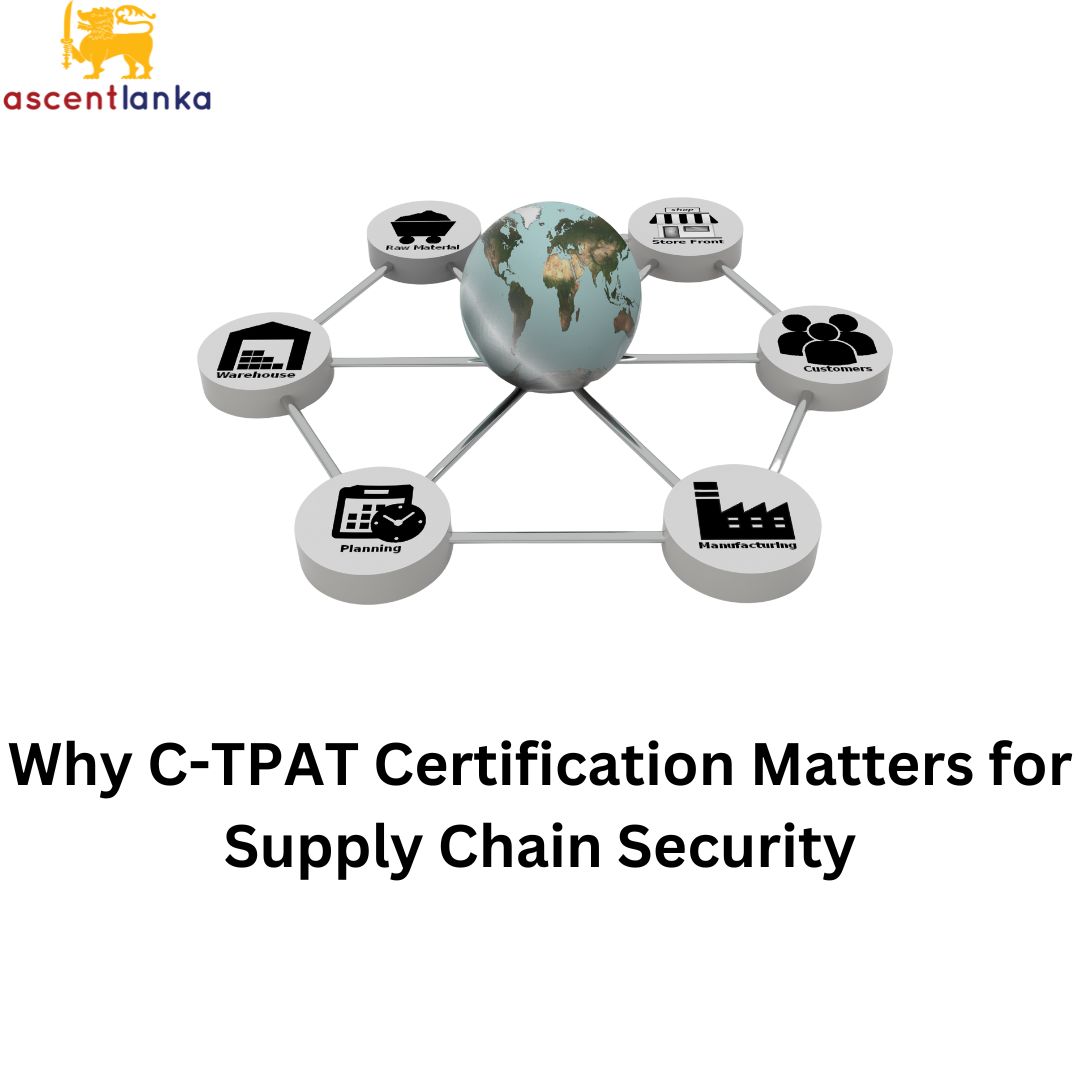
🌍 In an era where global trade is the backbone of economic growth, secure, reliable, and efficient supply chains have become more important than ever. With thousands of containers moving across borders daily, protecting shipments from threats such as terrorism, smuggling, theft, and tampering is a top priority for governments and businesses alike. One of the most recognized security initiatives addressing these challenges is the Customs-Trade Partnership Against Terrorism (C-TPAT), launched by U.S. Customs and Border Protection (CBP).
🛡️ C-TPAT is a voluntary but highly valuable supply chain security program that enhances international cargo security through collaboration between the trade community and the U.S. government. By implementing C-TPAT guidelines, companies not only demonstrate their commitment to secure trade operations but also gain significant commercial advantages. This blog explores why C-TPAT certification matters for supply chain security and how it strengthens business operations.
🔍📦 What Is C-TPAT?
C-TPAT is a public–private partnership aimed at improving the security of cargo entering the United States. It focuses on identifying, mitigating, and minimizing risks at every stage of the international supply chain—from the point of origin 📍 to final delivery 🏁.
Organizations eligible for C-TPAT certification include:
- 📦 Importers and exporters
- 🛃 Customs brokers
- 🚛 Highway carriers and transportation companies
- 📦 Third-party logistics (3PL) providers
- 🏭 Manufacturers and suppliers
- ⚓ Terminal operators and port authorities
✅ Although voluntary, C-TPAT is widely adopted and offers strong benefits that improve supply chain resilience.
🔐🛡 Why C-TPAT Certification Matters for Supply Chain Security
- 🛡 Strengthens Protection Against Supply Chain Threats
Supply chains face increasing risks:
- 🚫 Cargo theft & tampering
- 🔓 Unauthorized container access
- 🚔 Smuggling of contraband
- 🧍 Human trafficking attempts
- 🖥 Cybersecurity vulnerabilities
✔ C-TPAT requires risk assessments, strong security practices, and continuous monitoring to reduce vulnerabilities. - 🌐🤝 Encourages Global Trade Compliance and Trust
Certified businesses demonstrate:
- 📝 Due diligence in cargo handling
- 🛂 Compliance with U.S. border security
- 🌱 Ethical and secure trade practices
✔ This builds trust among global partners and customs authorities. - 🚀⏱ Faster Customs Clearance and Border Processing
Benefits include:
- 🔍 Fewer inspections
- ⚡ Faster cargo release
- 🚦 Access to FAST lanes
- 💲 Reduced delays & demurrage
✔ This enhances efficiency and customer satisfaction. - 💼💸 Reduces Financial Loss and Operational Disruption
Security breaches cause:
- 📉 Loss or damage of goods
- ⚖ Legal liabilities
- 💰 Higher insurance costs
- 🔌 Operational downtime
✔ C-PTAT minimizes these risks with strict security controls. - 📊👀 Enhances Supply Chain Visibility and Traceability
C-TPAT encourages tracking:
- 🚚 Cargo movement
- 👥 Personnel responsibilities
- 🏭 Vendor compliance
- 🧭 Security procedures
✔ This ensures transparency and fast response to threats. - 🤝🌐 Improves Collaboration Across the Supply Chain
Certified companies ensure their partners:
- ✔ Follow security controls
- 🚛 Maintain safe transport practices
- 🏢 Implement strong facilities controls
✔ This builds unified defense across the supply chain. - 🏆📈 Boosts Reputation and Market Competitiveness
C-TPAT certification:
- 🔒 Shows secure & ethical operations
- 🌟 Enhances brand reputation
- 🌍 Opens global trade opportunities
✔ Preferred by multinational buyers.
🧭📋 What C-TPAT Compliance Involves: Key Requirements
| 🔐 Security Element | 📌 Examples of Requirements |
|---|---|
| 🔒 Container & Seal Security | High-security seals, inspection procedures, verification logs |
| 🚪 Physical Access Controls | ID management, restricted zone control, CCTV monitoring |
| 👥 Personnel Security | Background checks, security training & awareness |
| 💻 Cybersecurity | Network security, data protection, secure communications |
| 📉 Supply Chain Risk Assessment | Evaluating risks across suppliers & logistics partners |
📝 The certification process includes an online application, completing a security profile, and a CBP validation visit to confirm compliance.
🏢🌟 Why Choose Ascent Lanka for C-TPAT Certification Support?
Ascent Lanka is a trusted consulting partner providing expert C-TPAT compliance support. Our team offers end-to-end assistance including:
- 📊 Risk assessments
- 📄 Documentation development
- 🎓 Staff training
- 🛡 Validation preparation
We align your processes with U.S. Customs requirements and global best practices. With industry expertise and a customer-first approach, Ascent Lanka ensures your journey to C-TPAT certification is:
- 💰 Cost-effective
- ⚙️ Smooth and structured
- 📈 Strategically beneficial
- 🌍 Enhancing your global trade advantage
🌟 Choose Ascent Lanka to strengthen your supply chain security and gain a competitive edge in international trade.
Contact us today →
Leave a comment below: